
IMRI

crumbs_icon

>

>

UIC54 R260 Rail 54E1 EN 13674 | Standard Grade Heavy Rail

UIC54 R260 Rail 54E1 EN 13674 | Standard Grade Heavy Rail

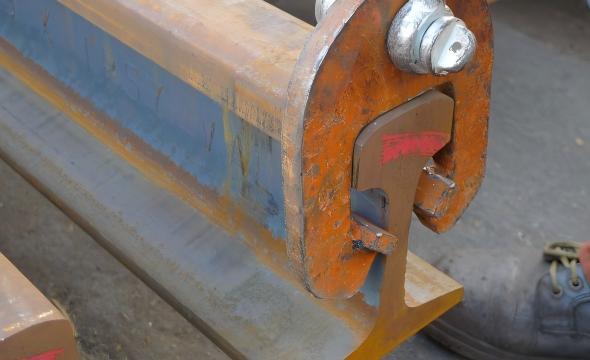
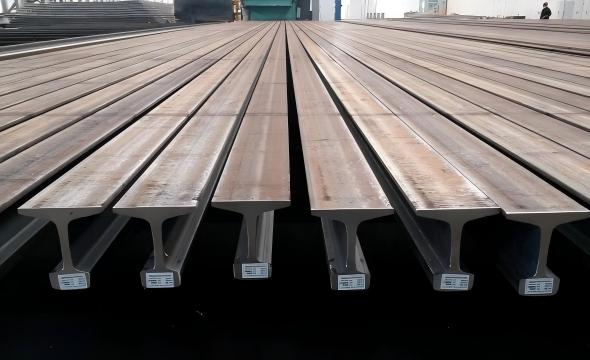
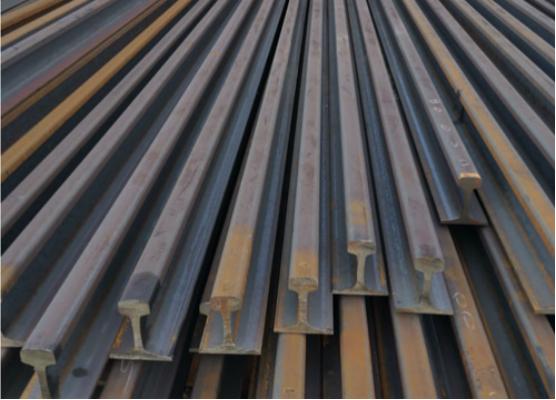
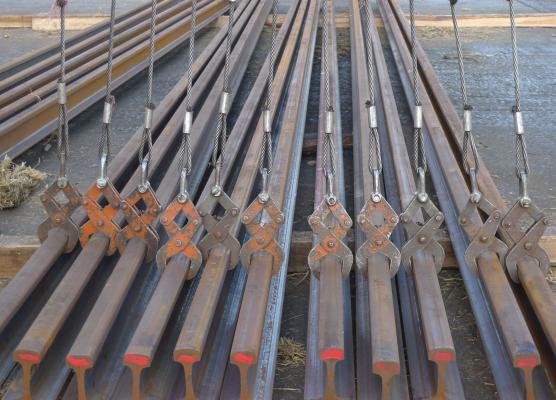
UIC54 R260 rail (54E1 profile) is the standard-grade European heavy rail for global 1435mm standard gauge railway systems. Manufactured in full compliance with EN 13674-1 standards, R260 grade is the most common and cost-effective solution for medium-traffic passenger and mixed railway lines.

With balanced structural strength, excellent dimensional stability and good weldability, UIC54 R260 rail is universally compatible with standard UIC fasteners, fishplates and concrete sleepers. It is widely used for new railway construction, track renewal and branch line upgrading across the Middle East, Southeast Asia, Africa and European regional projects.

Email:

sales@imristeel.com

Phone:

+86 13646172523

Quote Now
Product Detail
Chemical Component
Related Products

Standard & Dimension Table

Executive Standard: EN 13674-1

Rail Model: UIC54 / 54E1

Applicable Gauge: 1435mm Standard Gauge

ParameterValue
Theoretical Weight54.77 kg/m
Rail Height159 mm
Base Width140 mm
Head Width70 mm
Web Thickness16.0 mm

Steel Grade Introduction — R260

R260 is conventional pearlitic carbon-manganese rail steel, the basic and most widely used grade for EN standard railway rails. It features stable metallurgical structure, low defect rate and excellent construction adaptability.

  1. Cost-effective and mature mass-production quality
  2. Good toughness and reliable welding performance
  3. Sufficient hardness for medium traffic operation
  4. Low maintenance cost for general railway lines


Chemical Composition (R260)

ElementContent (%)
C0.60 – 0.82
Si0.15 – 0.50
Mn0.70 – 1.20
P≤ 0.035
S≤ 0.035

Mechanical Properties ( EN 13674-1)

ItemStandard Value
Tensile Strength≥ 880 MPa
Elongation≥ 9%
Rail Head Hardness260 – 310 HB

Application Scenarios

  1. Medium-speed passenger & mixed traffic railway lines
  2. Regional branch lines and suburban railway routes
  3. General industrial tracks, factory and port auxiliary lines
  4. Railway rehabilitation and routine track replacement projects
  5. Cost-sensitive standard gauge railway construction projects