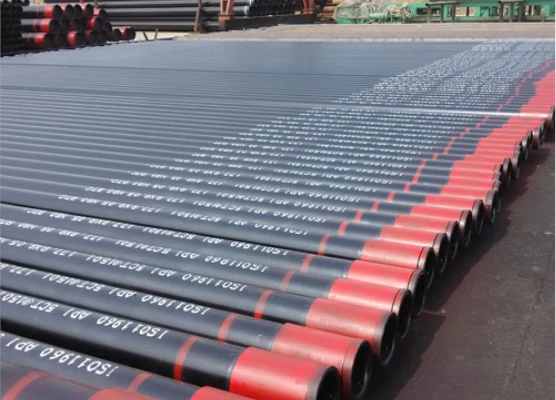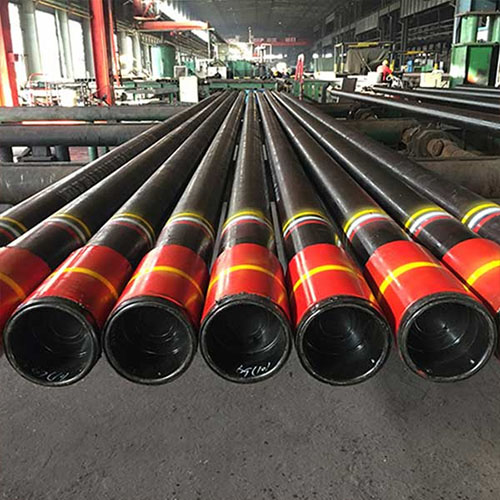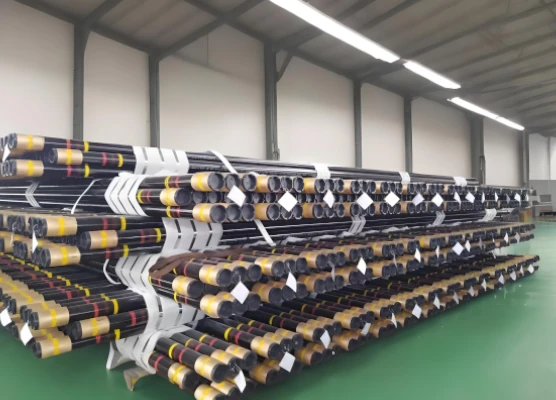



Fusion Bonded Epoxy (FBE) coating is the most practical high-performance anti-corrosion solution for steel pipes. As a mainstream FBE anti-corrosion pipe product widely used in oil & gas transmission, municipal water supply, chemical engineering and underground pipeline projects, FBE coated pipes feature ultra-strong coating adhesion, outstanding chemical resistance, superior abrasion durability and long service life. Strict standardized production is the key to stable anti-corrosion performance, making professional FBE coated pipes the preferred choice for global industrial pipeline engineering.
The service life and operational stability of FBE coated steel pipes depend entirely on standardized production procedures and full-link quality control. Simplified processes and neglected pre-treatment are the main causes of common defects such as coating peeling, surface pinholes, uneven coating thickness and early pipeline corrosion failure. To deliver high-quality, engineering-grade products, we have formulated a complete 14-step FBE pipe production and quality control process, covering pre-processing, surface precision testing, end protection, electrostatic powder spraying, constant-temperature curing & cooling, finished product inspection and post-processing. This article details our standardized FBE anti-corrosion pipe manufacturing workflow for global project clients and industry partners.
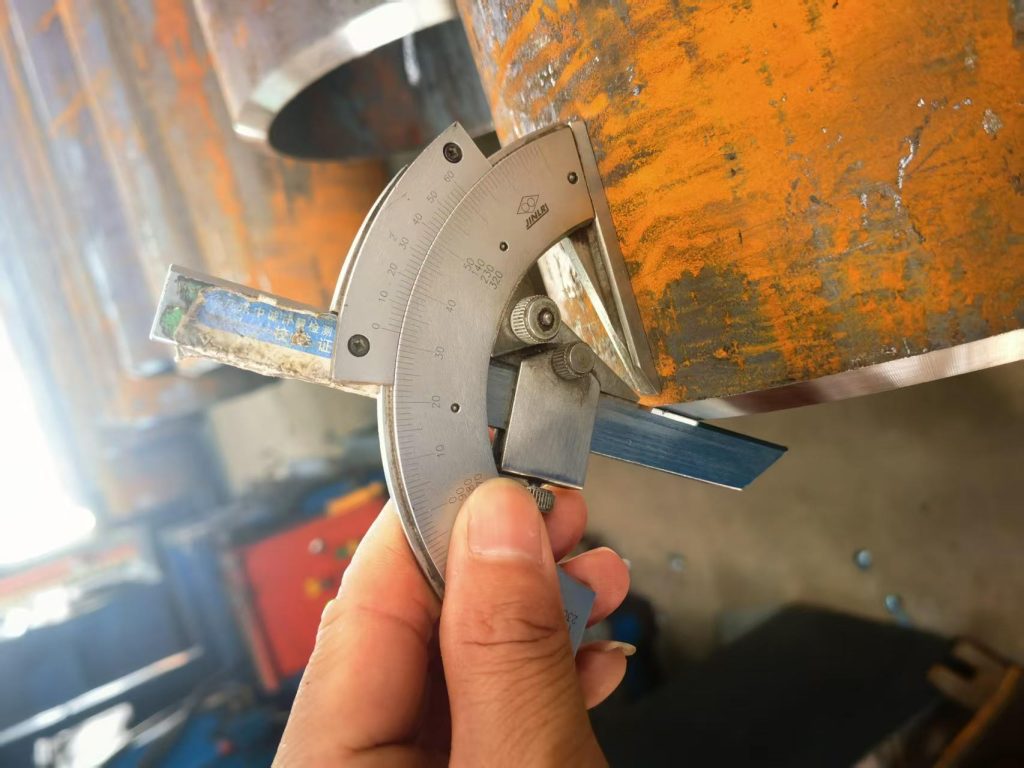
Step 1: Pipe End Beveling & Angle Measurement
Precise pipe end processing is the primary prerequisite for high-quality FBE coating. We professionally bevel all steel pipe ends to remove cutting burrs, sharp edges and irregular residues. After processing, we use high-precision measuring tools to calibrate bevel angles in strict accordance with international pipeline anti-corrosion standards. Standard beveling not only ensures seamless on-site welding and butt joint of FBE anti-corrosion pipes but also eliminates sharp-edge stress concentration, effectively preventing local coating cracking during powder spraying and curing. This standardized first step guarantees a uniform, complete and firm foundation for the subsequent FBE anti-corrosion layer.
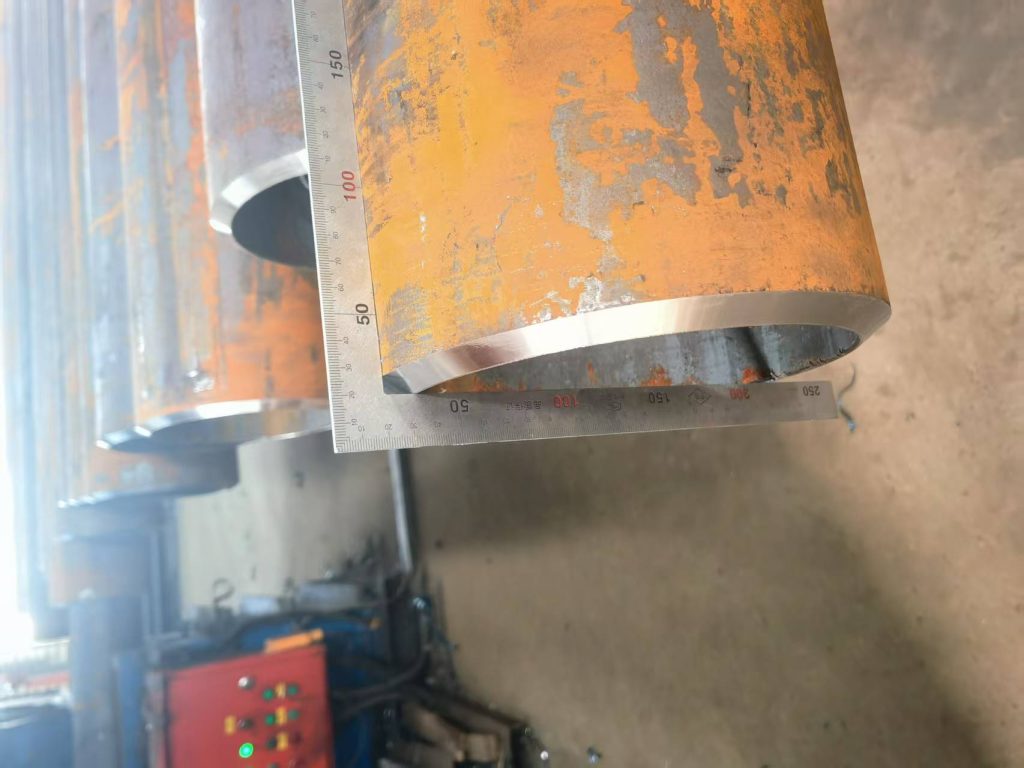
Step 2: Pipe Verticality Detection
Steel pipe verticality directly affects the overall uniformity ofFBE anti-corrosion coating, serving as a key pre-production inspection index. Inclined or bent steel pipes will lead to uneven electrostatic powder adhesion, resulting in inconsistent coating thickness and local missing coating defects. We adopt high-precision verticality detection equipment to inspect the straightness and verticality of every raw steel pipe. Any pipe with unqualified deviation is corrected and reprocessed before entering the next procedure. This ensures all pipes maintain a standard horizontal and vertical state during FBE spraying, realizing uniform and consistent anti-corrosion coating coverage.
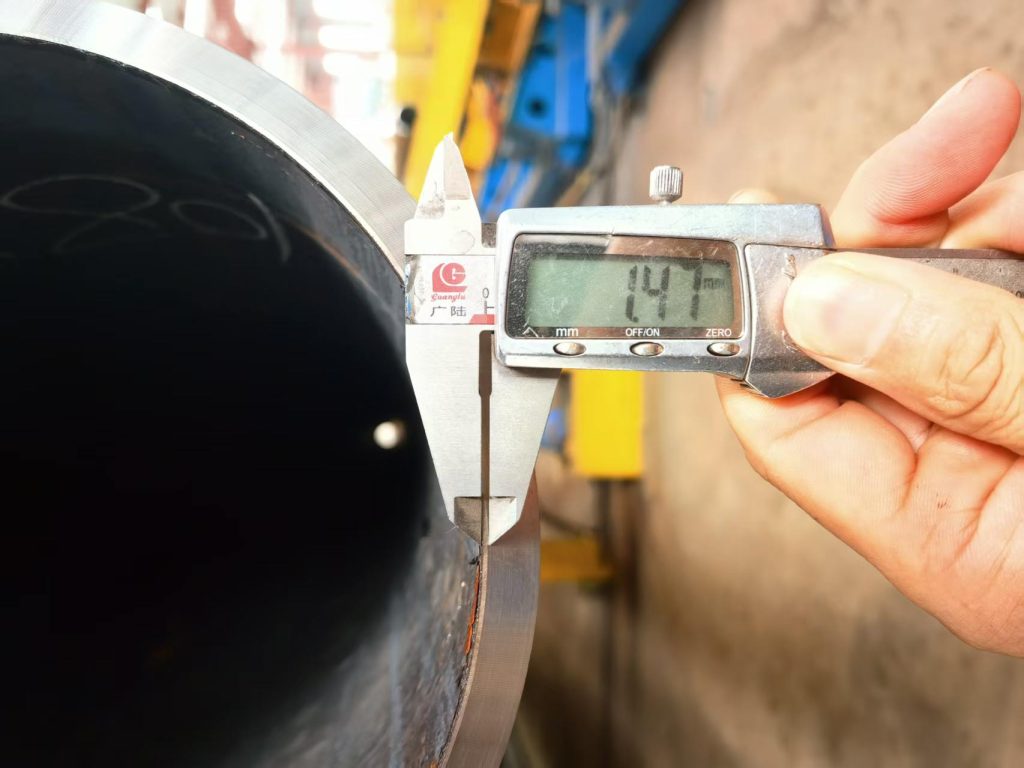
Step 3: Pipe End Land Width Measurement
Precise pipe end land width (blunt edge) is critical to matching pipeline welding construction and FBE anti-corrosion protection. Too wide or too narrow blunt edges will damage welding quality and cause incomplete end coating protection. Our staff use precision measuring instruments to inspect the land width of each pipe end one by one, strictly controlling dimensions within international standard ranges. Reasonable reserved anti-corrosion margin effectively avoids FBE coating damage during on-site welding, perfectly balancing construction practicability and long-term anti-corrosion performance of FBE coated pipes.
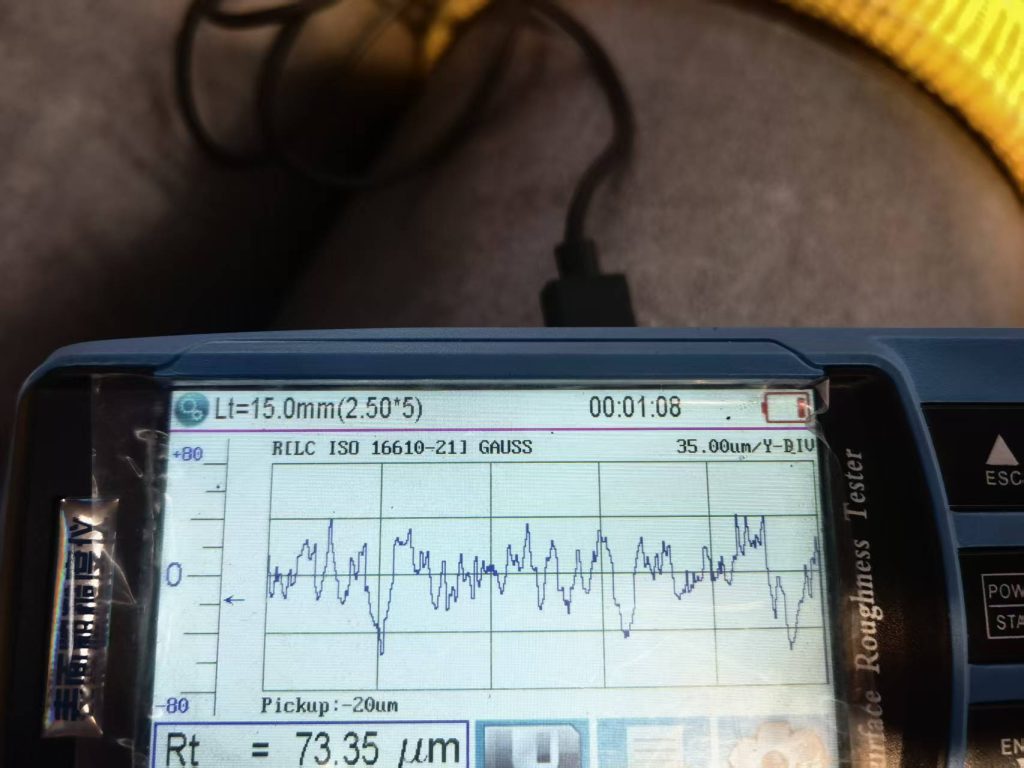
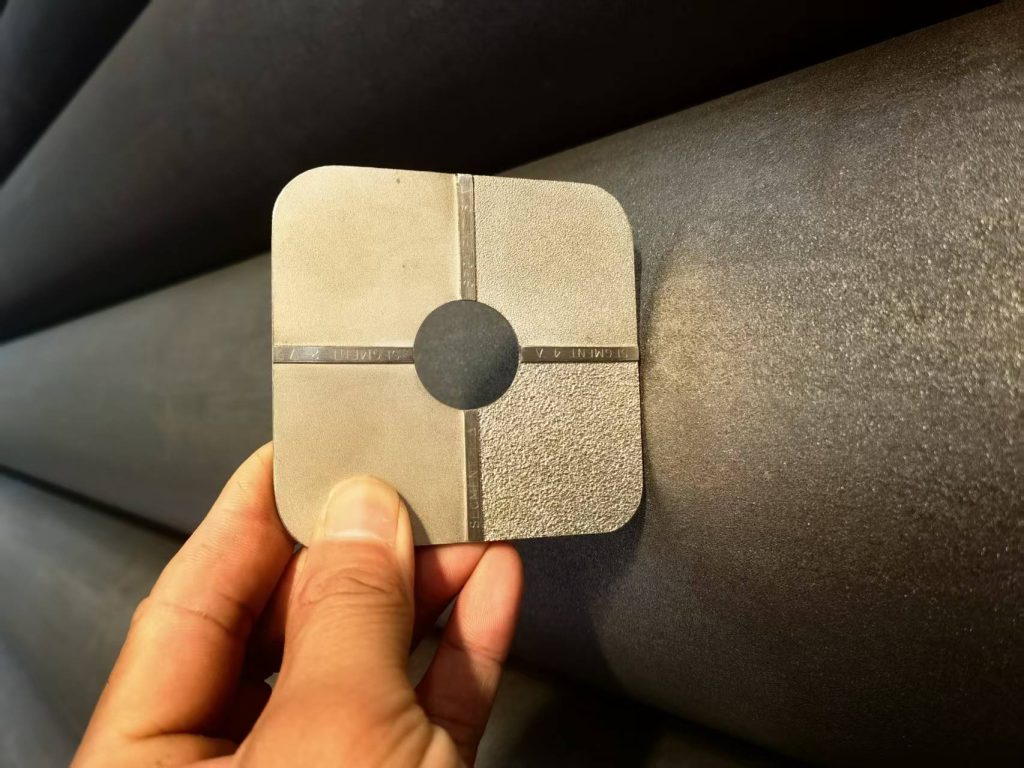
Step 4: Anchor Pattern (Surface Profile) Detection
Anchor pattern (surface profile) determines the bonding strength between steel pipe substrate and FBE epoxy coating, which is the core of anti-corrosion coating durability. Qualified blasted rough surfaces form a stable mechanical occlusion structure with epoxy powder, significantly improving coating adhesion and peeling resistance. After pipe blasting treatment, we conduct professional anchor pattern detection to verify surface roughness and profile depth (standard FBE anchor depth: 50-100μm). Unqualified surfaces will be re-blasted strictly up to standard, thoroughly solving common problems of coating delamination and falling off for long-term service of FBE anti-corrosion pipes.
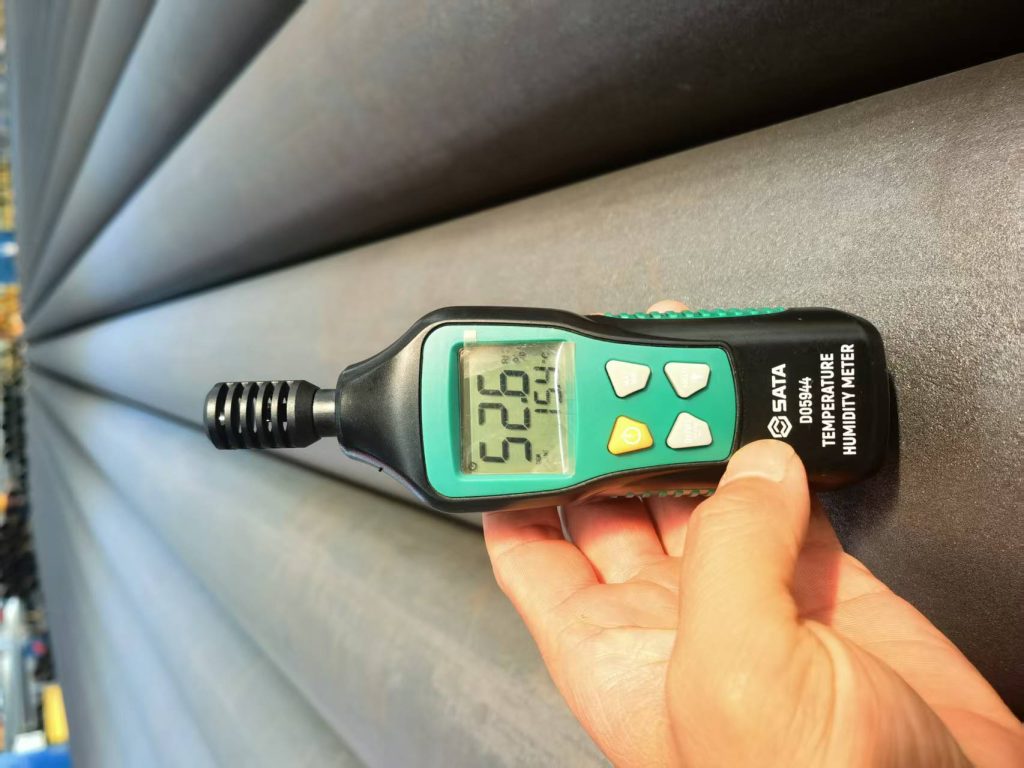
Step 5: On-Site Temperature & Humidity Monitoring
FBE powder curing and molding are highly sensitive to construction temperature and humidity, so environmental monitoring is an indispensable quality control step for FBE pipe production. Excessive humidity causes surface condensation, leading to coating bubbles and poor adhesion; extreme temperature deviations will affect powder melting and cross-linking curing effects. We monitor and record workshop temperature and humidity in real time before and during spraying, keeping the construction environment within standard parameters. All FBE coating operations will be suspended immediately under unqualified environmental conditions to eliminate potential coating quality risks.
Step 6: Steel Pipe Surface Cleanliness Inspection
Steel pipe surface cleanliness is a decisive factor for qualified FBE anti-corrosion coating. Residual oil stains, dust, oxide scales and floating ash will isolate the combination between epoxy powder and steel substrate, causing bubble, missing and peeling defects. We adopt dual inspection of manual visual check and professional instrument testing to ensure the pipe surface reaches the SA2.5 near-white metal standard. All surface pollutants are thoroughly cleaned to ensure a dry, dust-free and pure substrate, creating optimal conditions for tight bonding of FBE coating.
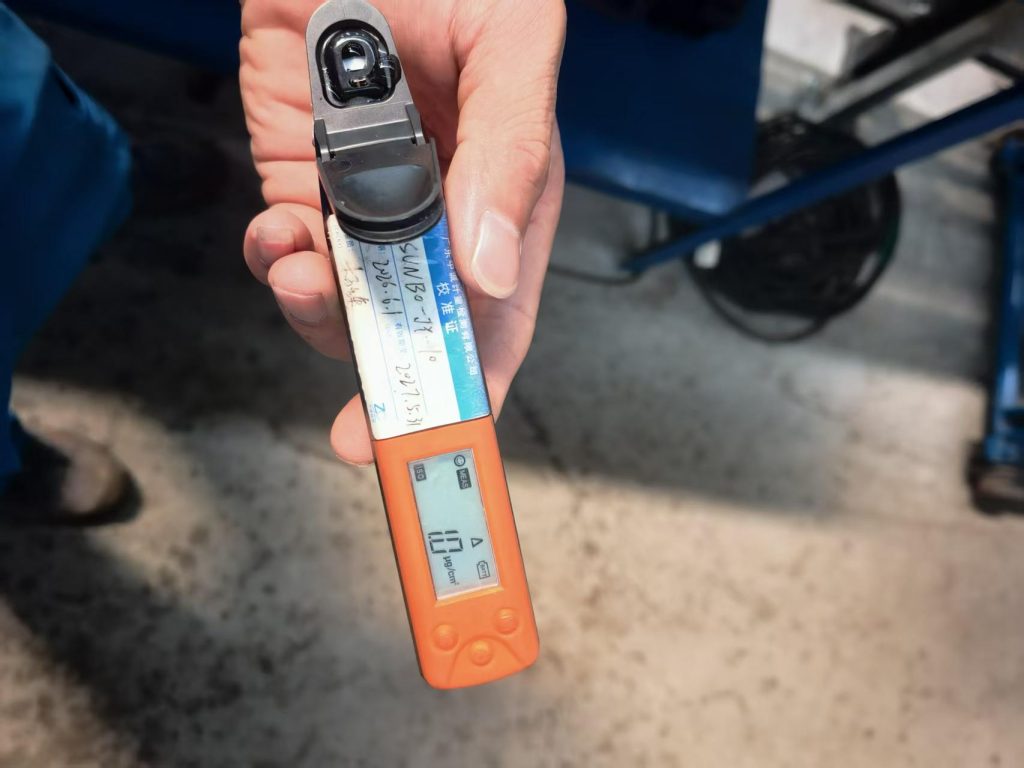
Step 7: Surface Salt Content Detection
Soluble salt residue on steel pipe surfaces is a hidden danger leading to premature failure of FBE coated pipes. Salt substances absorb moisture and generate osmotic pressure under the coating, triggering coating blistering, delamination and under-film corrosion in long-term operation. We equip professional salt content detectors to test every steel pipe surface strictly, controlling residual salt content within international standard thresholds. This precise inspection effectively extends the service life of FBE anti-corrosion pipes, especially for projects in humid and marine corrosive environments.
Step 8: Pipe End Protective Sticker Application
To reserve standard welding margins for on-site pipeline construction and avoid coating coverage on welding areas, we implement precise end protection for FBE anti-corrosion pipes. According to customized reserved welding sizes, we paste high-temperature resistant protective stickers closely on pipe ends without warping or gaps. The protective stickers completely shield the welding area during FBE powder spraying, preventing powder adhesion and invalid coating. This process ensures no interference between FBE anti-corrosion treatment and on-site welding construction, improving project installation efficiency.
-e1786957092691-1024x576.jpg)
Step 9: Professional FBE Powder Electrostatic Spraying
Electrostatic powder spraying is the core molding process of FBE anti-corrosion pipe manufacturing. We adopt full-automatic high-voltage electrostatic spraying equipment for uniform coating. Charged epoxy powder particles evenly adsorb on the surface of preheated steel pipes, melt and level instantly, and complete cross-linking curing reaction with the substrate to form a dense, continuous and uniform FBE anti-corrosion film. During production, we strictly control spraying voltage, powder output and pipe operating speed to eliminate missing spraying, uneven thickness and particle accumulation, ensuring consistent coating quality for every FBE coated pipe.
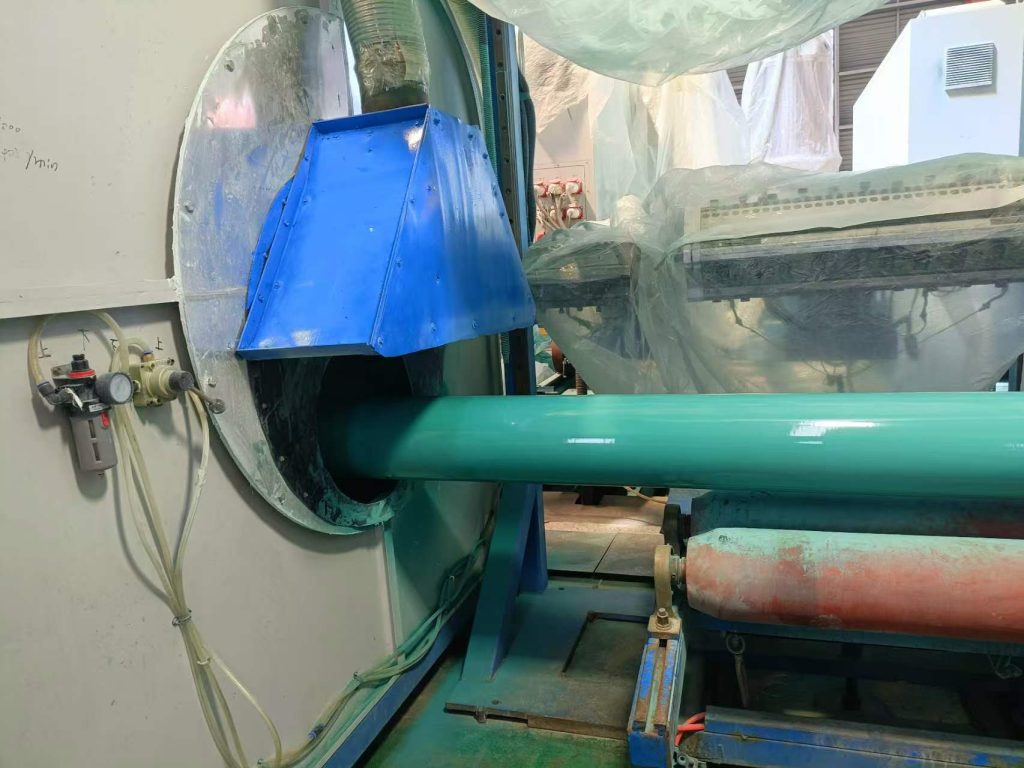
Step 10: Controlled Constant Temperature Cooling
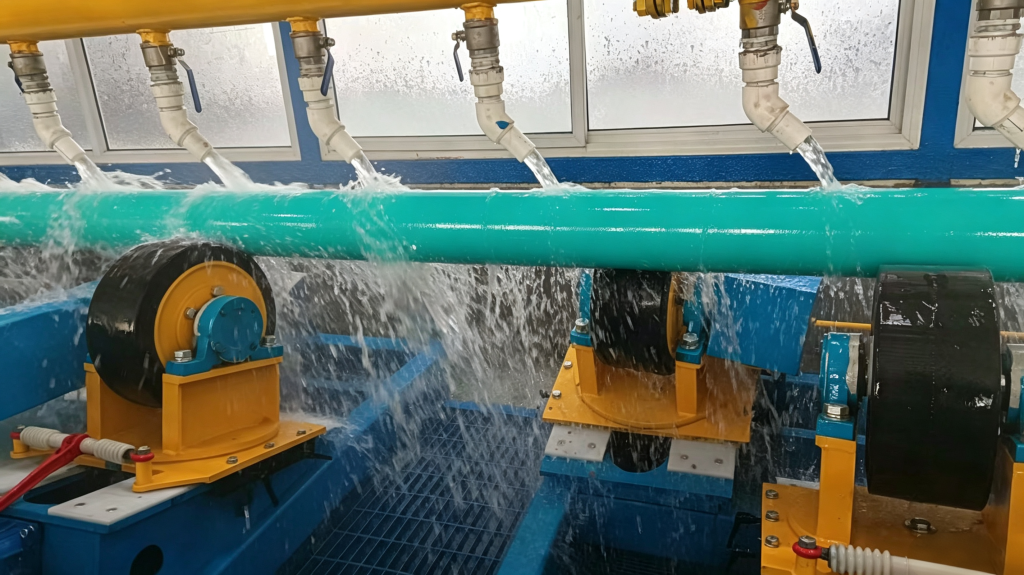
After FBE powder spraying and primary curing, staged constant-temperature cooling is adopted to stabilize coating performance. Different from irregular natural cooling or rapid cooling, our controlled cooling technology effectively releases internal stress of FBE coating, avoiding coating cracking, wrinkling and peeling caused by excessive temperature difference. The standardized cooling process helps the epoxy coating form a dense, hard and stable protective structure, ensuring the finished FBE anti-corrosion pipe has stable hardness, toughness and excellent corrosion resistance.
Step 11: Coating Thickness Precision Detection
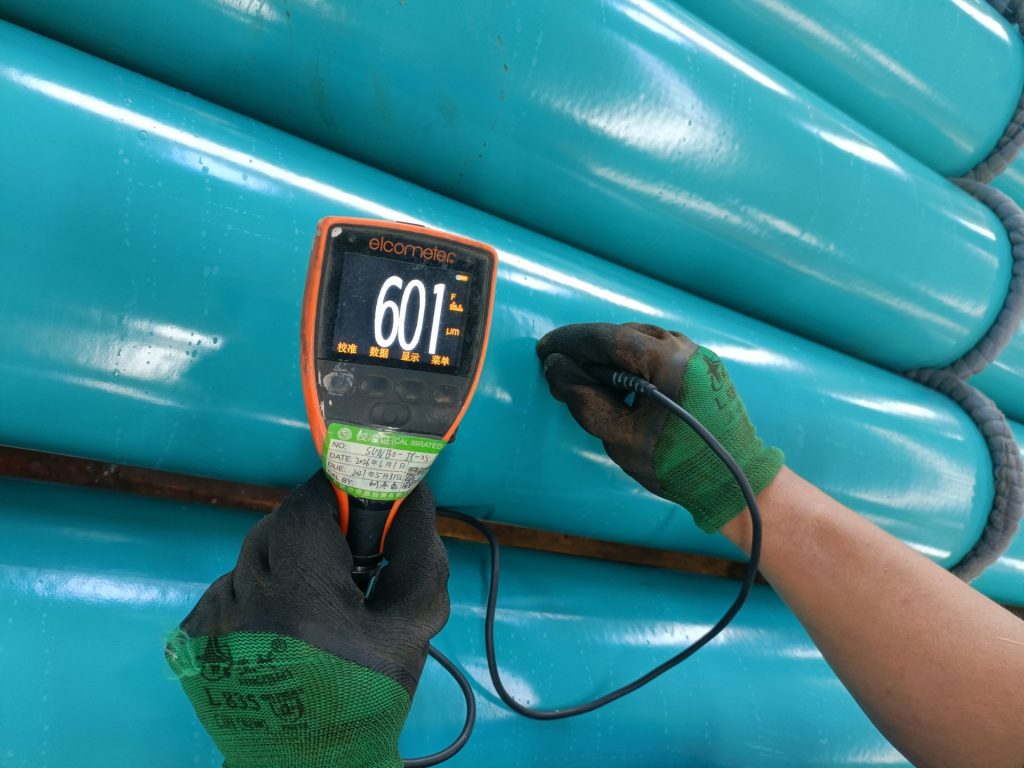
Coating thickness is a core quality index of FBE anti-corrosion pipes, directly determining anti-corrosion performance and engineering qualification rate. After complete cooling and molding, we use high-precision thickness gauges to conduct multi-point sampling inspection on pipe bodies and ends. All thickness data strictly comply with international industry and project design standards. For local thickness deviation parts, we implement targeted reprocessing and re-inspection to ensure every finished FBE coated pipe has uniform and standard anti-corrosion coating thickness.
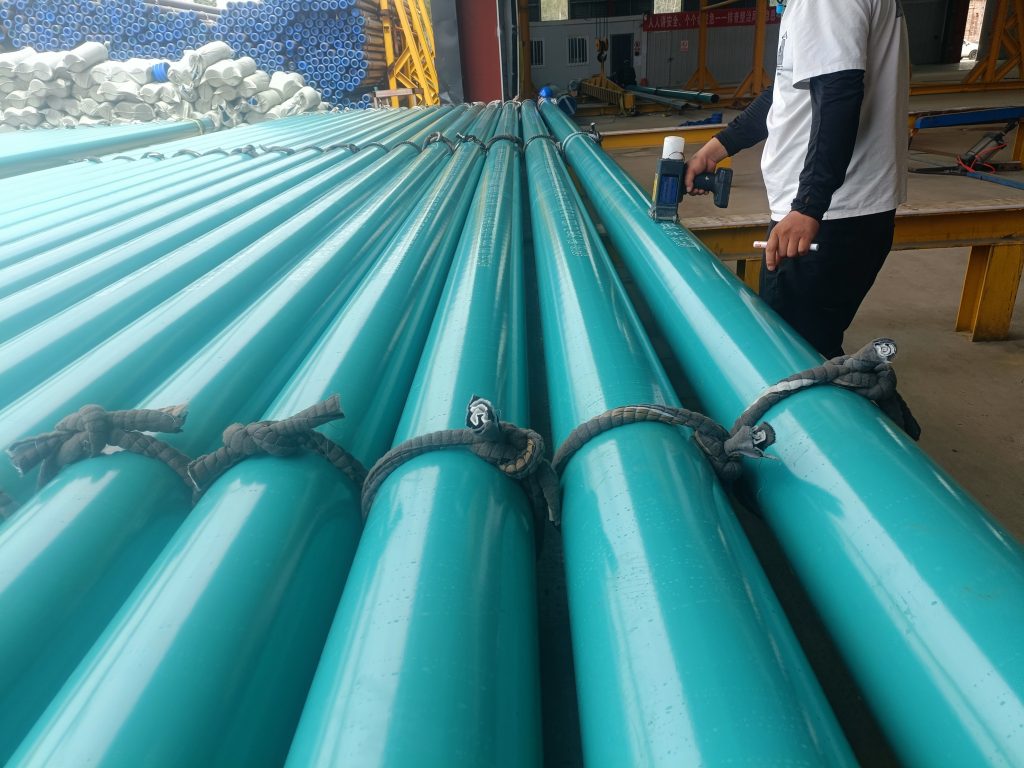
Step 12: Full-Scale Pinhole & Leakage Point Detection
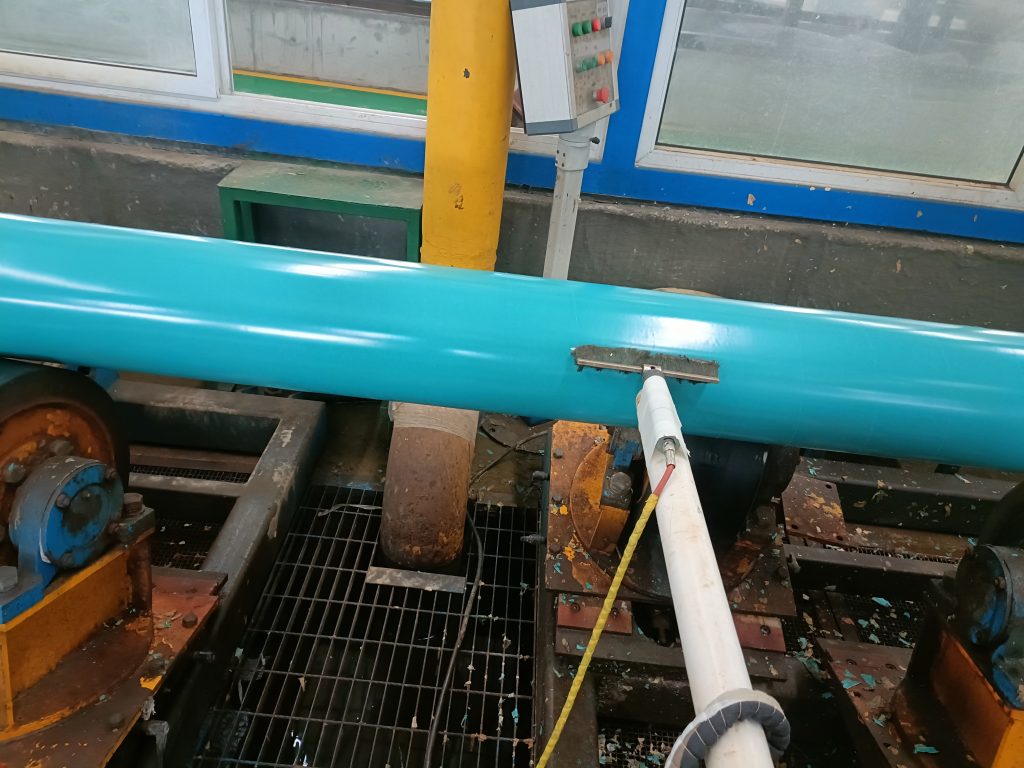
Tiny pinholes and leakage points onFBE coating are invisible quality hazards that will form corrosion channels and erode the steel pipe substrate during operation. We conduct 100% full-coverage non-destructive testing on all FBE anti-corrosion pipes using professional spark leakage detectors. The equipment accurately captures microscopic defects invisible to the naked eye. All unqualified positions are marked and repaired immediately to ensure the entire FBE coating is dense and leak-free, realizing full-scale anti-corrosion protection for steel pipes.
Step 13: Surface Fine Polishing Treatment
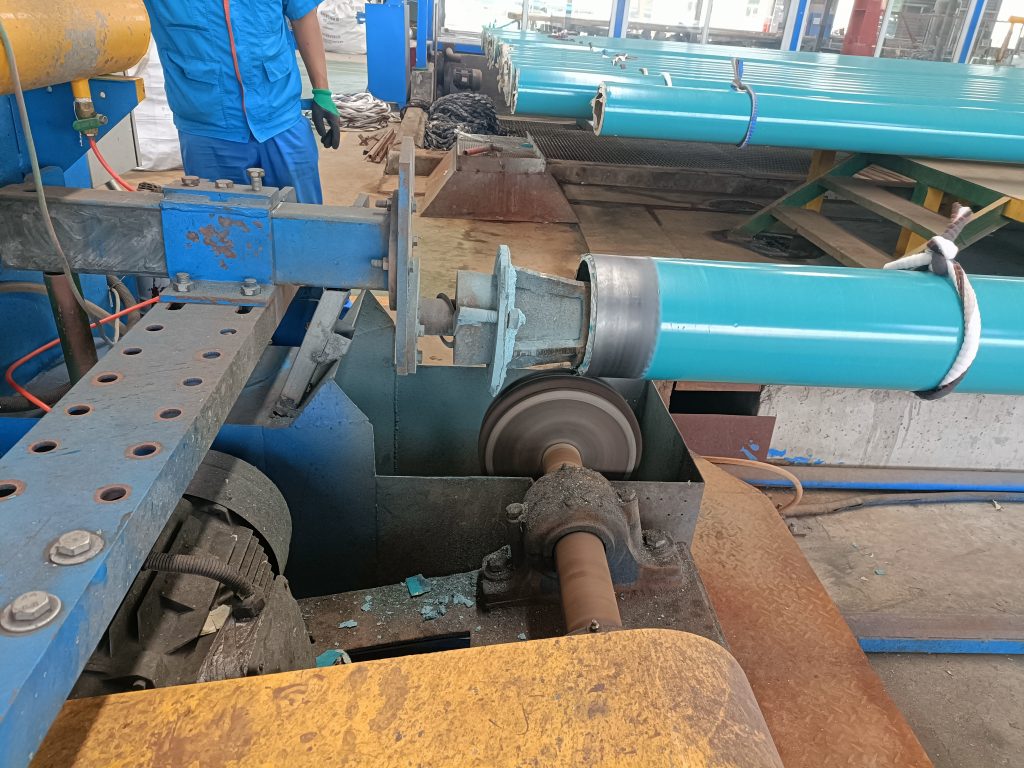
After defect inspection and repair, fine surface polishing is performed on finished FBE coated pipes. We polish and smooth local coating bulges, particle protrusions and tiny uneven areas to achieve a flat and smooth pipe surface. Fine polishing not only improves the appearance finish of FBE anti-corrosion pipes but also eliminates local coating stress concentration, effectively preventing coating damage during transportation, stacking and laying. Meanwhile, optimized surface flatness facilitates subsequent storage, transportation and on-site engineering construction.
Step 14: Standard Product Marking & Spraying
Standard spray marking is the final standardized process for qualified FBE anti-corrosion pipes. In accordance with international export standards and customized customer requirements, we spray clear, wear-resistant and permanent marks on pipe surfaces, including pipe specifications, steel grade, FBE coating type, production date, batch number and execution standards. Complete product marking supports full product traceability, simplifies engineering acceptance and on-site management, and fully reflects the standardized production system of our FBE coated pipe products.
Why Choose Our Standardized FBE Coated Pipes?
Most quality failures of FBE coated pipes, such as coating peeling, blistering, pinhole leakage and uneven thickness, are caused by simplified production steps and lax quality control. Our complete 14-step FBE pipe production and QC system realizes full-process quality coverage from substrate pre-treatment, coating molding to finished product inspection, completely abandoning rough and unstandardized production modes.
All production procedures strictly comply with international pipeline anti-corrosion standards, with precise control of environmental conditions, surface pretreatment, FBE spraying parameters and finished product quality. Our standardized FBE anti-corrosion pipes feature dense coating, super-strong adhesion, excellent chemical and corrosion resistance, and stable long-term performance. They are widely applicable to harsh working conditions including underground burial, marine humid environments and chemical corrosion, providing reliable pipeline protection for global oil & gas, municipal and industrial engineering projects.
Conclusion
Standardized process and strict quality control are the core of high-performance FBE anti-corrosion pipes. Every link from pipe end processing, surface precision detection, environmental monitoring, electrostatic FBE powder spraying to finished product polishing and marking is essential for stable coating quality. We always adhere to standardized production specifications and full-link inspection, focusing on precision manufacturing and quality assurance, to supply global clients with high-reliability FBE coated steel pipes and professional pipeline anti-corrosion solutions.